Garage Floor Coating Care in Riverside: How to Clean and Maintain It
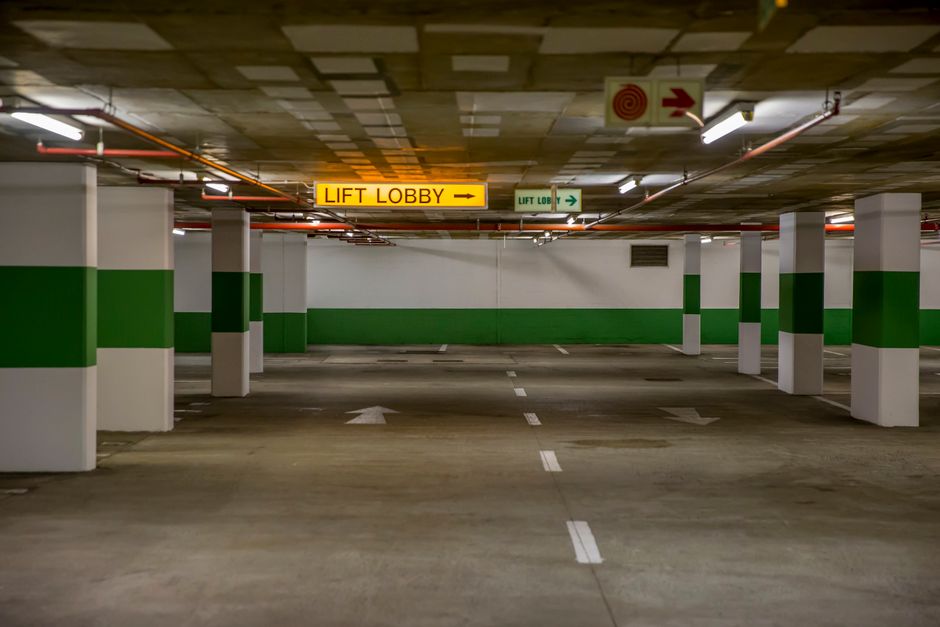
A coated garage floor in Riverside stays in good shape with a weekly dry sweep, an occasional wet mop using a mild pH neutral cleaner, quick cleanup of spills, and a short inspection each season. None of that is hard, but a coated floor is not maintenance free. How it is cleaned and what is set on it decide how long the finish keeps its gloss and grip.
The Basic Routine at a Glance
Think of care in three layers: what to do every week, what to do every month or two, and what to check a few times a year.
Every Week: Dry Dust Mop or Sweep
Fine grit under tires and shoes works like sandpaper on the topcoat. A wide microfiber dust mop or a soft bristle push broom removes it before it gets ground in. Pay the most attention to the two tire lanes and the path from the car door to the house, since those areas dull first.
Every Month or Two: Damp Mop
When the floor looks dingy or footprints show, wet clean it. Mix a mild, pH neutral cleaner into warm water and use a microfiber or foam mop. A general purpose cleaner approved by the coating maker is the safest pick. If the installer left care instructions, those come first.
Some habits to skip while mopping:
- Do not pour in dish soap or soap heavy cleaners. They leave a film that dulls gloss and makes the floor slipperier when wet.
- Do not reach for strong solvents. Some topcoats soften or haze under them.
- Do not scrub with steel wool, wire brushes, or aggressive scouring pads. Soft nylon brushes and non scratch pads handle stubborn spots without leaving dull patches that trap dirt.
After Mopping: Squeegee Dry
Water across much of the Inland Empire tends to be mineral heavy. If it evaporates on a glossy coating, it can leave white spots and a hazy look. Pull the water toward the door with a squeegee, then let the floor air out with the door open. Rinsing the mop water away with clean water, then squeegeeing, also removes cleaner residue.
Spills: What to Wipe Up Right Away
Oil, gasoline, transmission fluid, antifreeze, and battery acid should be cleaned up as soon as they are noticed. Brake fluid and battery acid are among the most likely to soften, stain, or etch a coating if they sit. Antifreeze is slick and toxic to pets, so blot it first, then clean the spot with the approved cleaner.
A good habit is to keep a roll of shop towels and a small bottle of the approved cleaner on a shelf near the door.
Tire Marks and Hot Tire Pickup
Riverside summers heat both the tires and the floor. Hot tires can leave brownish plasticizer stains, and clean-up works best when it happens early with the maker's approved cleaner. Not every coating is immune to staining from hot tires, so some marking can happen even on a good floor.
If coating actually lifts under the tire spots, that is a different problem. Lifting usually points to a prep or bond problem rather than a cleaning problem, so report it to the installer instead of scrubbing harder.
Be Careful With the Pressure Washer
Pressure washing is not required to keep a coated floor clean, and it is not the best method. If you do use one, choose a wide fan tip and keep a generous distance from the surface. A close, narrow stream can lift coating at chips, edges, and cracks, and it can push water under the film. For most weekly and monthly cleaning, a mop does the job with less risk.
What Does Not Belong on a Coated Floor
Vinegar, Citrus, and Bleach
These household staples are not safe on every system. Vinegar, citrus solvents, and bleach can dull or discolor some coatings over time. Use them only if the installer or coating maker says the specific product tolerates them.
Wax and Floor Polish
Acrylic floor polish and wax look tempting when the gloss fades. Unless the coating maker allows them, they build up, can yellow, and make the surface slippery. They also complicate future recoating, because new coating may not bond over them.
Pool Chemicals
Plenty of Riverside homes have pools, and the garage is a common place to store chlorine products and acid. Spills and leaking containers can bleach, etch, or stain a coating. Keep these on a tray or shelf, never directly on the floor.
Lawn and Garden Products
Some fertilizers that contain iron leave rust colored stains. Wet bags of soil or mulch can stain and trap moisture against the floor. A pallet or shelf solves both problems.
Rubber Backed Mats
Some rubber backed mats can discolor certain coatings and trap moisture underneath. Choose mats sold as safe for coated floors, and lift them now and then to clean and dry the floor beneath.
Protecting the Floor From Weight, Impacts, and Heat
Most chips come from dropped tools and dragged equipment, so lift heavy items instead of sliding them. Put plastic or rubber pads under jack stands, motorcycle kickstands, ladder feet, and heavy shelving legs. Narrow metal feet concentrate weight and can dent or chip the coating, and steel left on a damp floor can leave rust rings.
Grinding, welding, and cutting can burn small pits into the topcoat. Lay a welding blanket or sheet of plywood down before starting that kind of work.
Riverside Conditions Worth Watching
The Door Seal
Inland heat and sun harden and crack rubber seals along the bottom of the garage door. A failed seal lets in dust, leaves, and insects. Check it once a year. Replacing a worn seal cuts down on how often the floor needs sweeping, which is a quiet way to protect the coating.
Sun Near the Door Line
Epoxy can amber or yellow with UV exposure. It shows first where the door stays open in strong sun, especially in west facing garages in afternoon light. Standard epoxy in a garage that gets sun can yellow. Polyaspartic and polyurea topcoats hold color better. If yellowing appears, plan a compatible UV stable topcoat at the next recoat.
Sprinklers Near the Slab Edge
Irrigation for lawns and planters beside the garage can push moisture into the slab edge and onto the apron. Look for white powder (efflorescence), bubbles, or peeling along the wall line or driveway lip. Adjust sprinkler heads so they do not wet the garage edge or spray under the door. A coating does not stop moisture from coming up through the slab, so keeping water away from the edges matters.
Trips to the Mountains
Cars coming back from snowy roads, such as those in the nearby San Bernardino Mountains, can carry deicer and grit residue. Rinse or mop that residue off instead of letting it dry into a crust.
A Seasonal Walk Around the Floor
Once each season, walk the garage slowly and look for:
- Chips, especially near the door threshold and along walls
- Hairline cracks reflecting up from the slab
- Lifting at the threshold
- Dull, worn lanes where the tires roll
- Blisters or bubbles
- Rust rings or stains under stored items
Small chips are easiest to repair early, before water, fluids, or tire traffic undercut the edges. Keep in mind that a spot repair will not always blend in invisibly with the original floor, since age and sun change the surrounding color.
Slippery When Wet
Glossy coated floors get slick with water, fluids, or cleaner residue. Floors with broadcast flake or added anti slip aggregate hold better underfoot. Whatever the finish, keep the floor dry where people walk, wipe up drips from the car, and rinse away any cleaner film after mopping.
When Cleaning Is Not Enough: Refreshing the Topcoat
Wear shows first in the tire paths and walkways, and scrubbing cannot bring it back. When those lanes go dull, a refresh is the right step. It means cleaning the floor thoroughly, abrading the existing topcoat, and applying a compatible topcoat. Rolling new coating over a glossy, unabraded floor often leads to peeling, so skip any shortcut that leaves out the abrading step.
How long a floor goes between refreshes depends on traffic, sun, and how well the original prep was done. No coating lasts forever, and no honest installer promises a set number of years regardless of use. A floor that is swept weekly, mopped gently, and spared from harsh chemicals gives the topcoat its best chance of looking good for as long as possible.