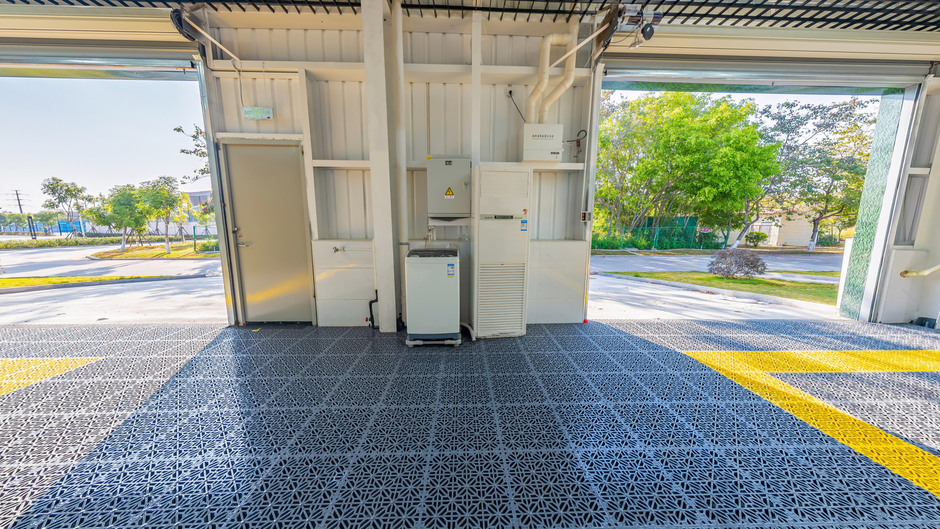
Garage Floor Coating in Riverside, CA
Plain answers about garage floor coating in Riverside, CA: how slabs are prepared, which materials handle Inland Empire sun and heat, when to schedule around Santa Ana winds, and how to judge the work before you hire.
What We Cover
- What Weather Is Best for Coating a Garage Floor How Riverside heat, slab temperature, dew point and Santa Ana winds affect cure, working time and dust in a new coating.
- Epoxy or Polyaspartic for a Garage Floor How epoxy and polyaspartic coatings differ in UV stability, cure speed, film build and fit for sunny Inland Empire garages.
- How Is a Garage Floor Coating Installed The step by step order of a typical garage floor coating job, from grinding and repairs to flakes, topcoat and cure.
- How Do You Choose a Garage Floor Coating Installer Questions to ask about prep, moisture testing, materials and written scope before hiring someone to coat a garage floor.
- How Do You Prepare a Garage Floor for Coating Why grinding, cleaning, moisture checks and crack repair decide whether a garage floor coating stays bonded to the slab.
- Why Do Garage Floor Coatings Peel or Lift Common causes of peeling, blistering and hot tire pickup on garage floors, and what each failure says about the slab or prep.
Garage Floor Coating in Riverside, CA
Garage Floor Coating in Riverside, CA works when the slab is clean, dry, and profiled before any material goes down. This site is an informational guide, not a contractor, and it explains how coatings behave on concrete across Riverside County, the service area these pages cover.
The same rules apply to older garages near Riverside Municipal Auditorium and newer builds near La Sierra University. Concrete is concrete, and the bond depends on the prep.
How Riverside Weather Affects the Job
Heat is the first variable. Long hot dry summers across the Inland Empire shorten working time, so material starts to set before the crew finishes the cut-in and the roll. Strong sun on a slab with the door open adds surface heat, and a floor that feels fine in the morning can run hot by noon.
Santa Ana winds in fall and winter carry dust and lower humidity. Dust that lands on wet coating gets locked in, so the garage is closed off and the floor is vacuumed right before application. Wide swings between daytime and nighttime slab temperature also change how the coating cures.
Prep, Moisture, and Bond
Surface prep drives bond more than any product choice. Grinding opens the pores of the concrete, removes laitance, oil, and old sealer, and leaves a profile the coating can grip. Cracks and spalls get filled and leveled before the first coat.
Moisture in the slab can push coatings off. Whether the garage sits near the Santa Ana River, below Mount Rubidoux, or along Victoria Avenue, a moisture check comes before material, because a dry-looking floor can still pass vapor upward.
Sun, Yellowing, and Material Choice
UV yellows many epoxies, and the effect shows most where sunlight reaches the floor through an open door. Polyaspartic topcoats are often chosen for better UV stability, but they cure fast and leave even less working time in summer heat.
Ask any installer for product data sheets and a written scope before work starts. The sheets state temperature limits, cure times, and moisture limits, and the scope states what prep is included.
Guides
The guides cover how to prepare a garage floor, epoxy versus polyaspartic, how installation is done, which weather suits coating work, why coatings peel or lift, and how to choose an installer.
Latest Guides
Garage Floor Coating Care in Riverside: How to Clean and Maintain It
2026-10-26
A coated garage floor in Riverside stays in good shape with a weekly dry sweep, an occasional wet mop using a mild pH neutral cleaner, quick cleanup of spills, and a short inspection each season. None of that is hard, but a coated floor is not maintenance free. How it is cleaned and what is set on it decide how long the finish keeps its gloss and grip.
The Basic Routine at a Glance
Think of care in three layers: what to do every week, what to do every month or two, and what to check a few times a year.
Every Week: Dry Dust Mop or Sweep
Fine grit under tires and shoes works like sandpaper on the topcoat. A wide microfiber dust mop or a soft bristle push broom removes it before it gets ground in. Pay the most attention to the two tire lanes and the path from the car door to the house, since those areas dull first.
Every Month or Two: Damp Mop
When the floor looks dingy or footprints show, wet clean it. Mix a mild, pH neutral cleaner into warm water and use a microfiber or foam mop. A general purpose cleaner approved by the coating maker is the safest pick. If the installer left care instructions, those come first.
Some habits to skip while mopping:
- Do not pour in dish soap or soap heavy cleaners. They leave a film that dulls gloss and makes the floor slipperier when wet.
- Do not reach for strong solvents. Some topcoats soften or haze under them.
- Do not scrub with steel wool, wire brushes, or aggressive scouring pads. Soft nylon brushes and non scratch pads handle stubborn spots without leaving dull patches that trap dirt.
After Mopping: Squeegee Dry
Water across much of the Inland Empire tends to be mineral heavy. If it evaporates on a glossy coating, it can leave white spots and a hazy look. Pull the water toward the door with a squeegee, then let the floor air out with the door open. Rinsing the mop water away with clean water, then squeegeeing, also removes cleaner residue.
Spills: What to Wipe Up Right Away
Oil, gasoline, transmission fluid, antifreeze, and battery acid should be cleaned up as soon as they are noticed. Brake fluid and battery acid are among the most likely to soften, stain, or etch a coating if they sit. Antifreeze is slick and toxic to pets, so blot it first, then clean the spot with the approved cleaner.
A good habit is to keep a roll of shop towels and a small bottle of the approved cleaner on a shelf near the door.
Tire Marks and Hot Tire Pickup
Riverside summers heat both the tires and the floor. Hot tires can leave brownish plasticizer stains, and clean-up works best when it happens early with the maker's approved cleaner. Not every coating is immune to staining from hot tires, so some marking can happen even on a good floor.
If coating actually lifts under the tire spots, that is a different problem. Lifting usually points to a prep or bond problem rather than a cleaning problem, so report it to the installer instead of scrubbing harder.
Be Careful With the Pressure Washer
Pressure washing is not required to keep a coated floor clean, and it is not the best method. If you do use one, choose a wide fan tip and keep a generous distance from the surface. A close, narrow stream can lift coating at chips, edges, and cracks, and it can push water under the film. For most weekly and monthly cleaning, a mop does the job with less risk.
What Does Not Belong on a Coated Floor
Vinegar, Citrus, and Bleach
These household staples are not safe on every system. Vinegar, citrus solvents, and bleach can dull or discolor some coatings over time. Use them only if the installer or coating maker says the specific product tolerates them.
Wax and Floor Polish
Acrylic floor polish and wax look tempting when the gloss fades. Unless the coating maker allows them, they build up, can yellow, and make the surface slippery. They also complicate future recoating, because new coating may not bond over them.
Pool Chemicals
Plenty of Riverside homes have pools, and the garage is a common place to store chlorine products and acid. Spills and leaking containers can bleach, etch, or stain a coating. Keep these on a tray or shelf, never directly on the floor.
Lawn and Garden Products
Some fertilizers that contain iron leave rust colored stains. Wet bags of soil or mulch can stain and trap moisture against the floor. A pallet or shelf solves both problems.
Rubber Backed Mats
Some rubber backed mats can discolor certain coatings and trap moisture underneath. Choose mats sold as safe for coated floors, and lift them now and then to clean and dry the floor beneath.
Protecting the Floor From Weight, Impacts, and Heat
Most chips come from dropped tools and dragged equipment, so lift heavy items instead of sliding them. Put plastic or rubber pads under jack stands, motorcycle kickstands, ladder feet, and heavy shelving legs. Narrow metal feet concentrate weight and can dent or chip the coating, and steel left on a damp floor can leave rust rings.
Grinding, welding, and cutting can burn small pits into the topcoat. Lay a welding blanket or sheet of plywood down before starting that kind of work.
Riverside Conditions Worth Watching
The Door Seal
Inland heat and sun harden and crack rubber seals along the bottom of the garage door. A failed seal lets in dust, leaves, and insects. Check it once a year. Replacing a worn seal cuts down on how often the floor needs sweeping, which is a quiet way to protect the coating.
Sun Near the Door Line
Epoxy can amber or yellow with UV exposure. It shows first where the door stays open in strong sun, especially in west facing garages in afternoon light. Standard epoxy in a garage that gets sun can yellow. Polyaspartic and polyurea topcoats hold color better. If yellowing appears, plan a compatible UV stable topcoat at the next recoat.
Sprinklers Near the Slab Edge
Irrigation for lawns and planters beside the garage can push moisture into the slab edge and onto the apron. Look for white powder (efflorescence), bubbles, or peeling along the wall line or driveway lip. Adjust sprinkler heads so they do not wet the garage edge or spray under the door. A coating does not stop moisture from coming up through the slab, so keeping water away from the edges matters.
Trips to the Mountains
Cars coming back from snowy roads, such as those in the nearby San Bernardino Mountains, can carry deicer and grit residue. Rinse or mop that residue off instead of letting it dry into a crust.
A Seasonal Walk Around the Floor
Once each season, walk the garage slowly and look for:
- Chips, especially near the door threshold and along walls
- Hairline cracks reflecting up from the slab
- Lifting at the threshold
- Dull, worn lanes where the tires roll
- Blisters or bubbles
- Rust rings or stains under stored items
Small chips are easiest to repair early, before water, fluids, or tire traffic undercut the edges. Keep in mind that a spot repair will not always blend in invisibly with the original floor, since age and sun change the surrounding color.
Slippery When Wet
Glossy coated floors get slick with water, fluids, or cleaner residue. Floors with broadcast flake or added anti slip aggregate hold better underfoot. Whatever the finish, keep the floor dry where people walk, wipe up drips from the car, and rinse away any cleaner film after mopping.
When Cleaning Is Not Enough: Refreshing the Topcoat
Wear shows first in the tire paths and walkways, and scrubbing cannot bring it back. When those lanes go dull, a refresh is the right step. It means cleaning the floor thoroughly, abrading the existing topcoat, and applying a compatible topcoat. Rolling new coating over a glossy, unabraded floor often leads to peeling, so skip any shortcut that leaves out the abrading step.
How long a floor goes between refreshes depends on traffic, sun, and how well the original prep was done. No coating lasts forever, and no honest installer promises a set number of years regardless of use. A floor that is swept weekly, mopped gently, and spared from harsh chemicals gives the topcoat its best chance of looking good for as long as possible.
Garage Floor Coating in Riverside: Can It Handle a Home Gym or Workshop?
2026-10-26
A professionally installed, multi-coat garage floor can handle a home gym or a workshop in Riverside, as long as you treat it as a wear surface and not as armor. Foot traffic, rolling carts, and everyday tool work are well within its range. Dropped plates, hot welding spatter, and steel jack stand feet are where it needs help from mats, pads, and a few habits.
What a coated floor does well under a gym or shop
A system built from an epoxy base and a polyaspartic or polyurethane topcoat gives a garage a hard, sealed, easy-to-clean surface. Sweat, sawdust, and tracked-in dirt sweep or vacuum away instead of soaking into bare concrete. Rolling a creeper, a cart, or a treadmill across it is not a problem.
The limit is point loading. A dropped dumbbell, kettlebell, or barbell puts a lot of force on a tiny contact area. That can chip the coating, and it can crack the concrete under it. The coating is cosmetic and protective. It is not structural, and it does not make the slab stronger.
Thin box-kit paint is the wrong match
Not every floor coating performs alike. A thin one-coat kit from a store shelf is the most likely product to chip under weights, peel under hot tires, and wear through under rolling tool chests. For a garage that doubles as a gym or shop, a thicker multi-layer system is the better match. If the same garage also parks a car, the system needs to be suited to vehicle traffic, because hot tire pickup is a real failure in Riverside summers. Tires coming off the freeway can soften a weak coating and pull it off the slab.
Home gym: protect the lifting zone
Mats are part of the gym
Put heavy rubber mats anywhere weights might be dropped or set down hard. Thick stall-style mats or purpose-made gym tiles are the usual choices. For deadlifts and Olympic lifts, mats are not optional. No coating makes it safe to drop weights straight onto the floor.
Watch for staining and trapped grit
Two mat problems come up often in Riverside:
- Some rubber mats, especially cheap recycled ones, can stain or discolor a coating where they sit for months. Test one mat in a hidden corner for a few weeks before covering the whole floor, or use a breathable barrier underneath.
- Wind-blown dust slips under mats faster than most people expect. Grit trapped beneath rubber acts like sandpaper as the mat shifts, slowly dulling and scratching the topcoat. Lift the mats and clean under them every few weeks.
Keep platforms off the joints
Concrete edges at control joints are weak spots. A plate dropped near a joint can break off the edge, even with coating on top. Set lifting platforms away from joints, or ask the installer whether the joints should be filled.
Anchoring a rack: check the slab first
Before drilling for a squat rack or wall-mounted gear, find out whether the slab is post-tensioned. Many newer tract homes across Riverside County use post-tensioned slabs, and they often carry a stamped warning near the garage. Cutting a tensioned cable is dangerous and expensive to repair. It is not always safe to drill anywhere in a garage slab. Have the slab scanned, or choose a freestanding rack on a weighted platform and skip the anchors entirely.
If anchors do go through the coating, the film around each hole can chip or begin to peel. Drill carefully, then seal the hole edges with a compatible sealant or a dab of coating so water and debris cannot creep underneath.
Workshop: small loads and small sparks
Stands, jacks, and casters
Jack stands, engine stands, and floor jacks concentrate heavy loads on small steel feet. They can dent or scratch the coating, especially in summer when some coatings run slightly softer. Plywood squares or stand pads spread the load.
Rolling tool chests with hard plastic or steel casters wear tracks into a floor over time. Polyurethane or rubber casters are kinder to the surface.
Welding and grinding
Spatter and grinder sparks can burn small pits into a coating. Lay a welding blanket or a sheet of cement board over the floor wherever you weld or grind.
Spills and chemicals
Chemical resistance varies by product, and no coating shrugs off everything a shop uses. Most systems tolerate motor oil and coolant if you wipe them up promptly. Brake fluid, paint strippers, some solvents, and battery acid can soften or stain some coatings if they sit. Keep absorbent pads within reach and do not leave a spill overnight.
Sawdust and filings
Sweep up sawdust and metal filings often. Underfoot they scratch the topcoat just like grit does.
Texture matters more in a gym or shop
A glossy, smooth coating gets slick when water, oil, sawdust, or sweat hits it. No coating is slip-proof when wet or oily. For a gym or shop, ask for full-broadcast decorative flake or an anti-slip aggregate in the topcoat. The texture adds grip and also hides the fine scratches that shop work inevitably leaves.
Riverside conditions that decide how long it lasts
Sun through the door
Garages facing west or south get strong afternoon sun when the door is open. Many epoxy topcoats yellow under UV. Polyaspartic and aliphatic polyurethane topcoats hold their color much better, so they suit a garage that stays open while you train or work.
Heat during installation
Inland summer heat shortens working time, and many materials set much faster as the slab and air warm up. A good installer in Riverside schedules application for early morning and checks slab temperature, not just air temperature. Rushed work in heat leads to roller marks, poor flake coverage, and weak bonding.
Santa Ana dust
Keep the garage door closed while the coating cures. Dust and debris blown in on Santa Ana winds stick to the wet film and leave rough specks that stay until the floor is recoated.
Prep and slab condition decide the outcome
How the slab is prepared
Bond depends on surface prep. Mechanical diamond grinding opens the concrete so the coating can grip, and it is the standard for professional work. Acid etching alone is less reliable. When you hire, ask how the slab will be prepared.
Moisture, even in a dry climate
Riverside's dry climate does not mean slab moisture is never a problem. Vapor rising through the concrete can lift a coating from below. Older homes, such as many in the Wood Streets and other pre-1970s neighborhoods, may have no vapor barrier under the garage slab. Garages beside irrigated lawns or planters are also more exposed. A simple first check is to tape a square of plastic sheet to the floor for a day or two, then look for darkening or condensation underneath.
Cracks
Existing cracks usually show through a coating over time, especially where soils shift with the seasons. They should be filled before coating, and flexible fillers are worth discussing for joints and active cracks. A coating does not fix, seal, or prevent slab cracks.
Cure time before the equipment comes back
A floor that is dry to walk on is not ready for a loaded rack, a tool chest, or a car. Fast-curing polyaspartic does not mean heavy equipment can go back the same day. Ask the installer for separate timelines for foot traffic, light items, and heavy loads, and keep to them.
Keeping the floor in shape
Clean with a soft broom, a shop vacuum, and a pH-neutral cleaner. Harsh degreasers, heavy use of citrus solvents, and abrasive scrub pads can dull the topcoat.
Wear is normal in a working garage. When traffic areas dull or scratch, a lightly sanded surface can often take a fresh topcoat without stripping the whole system. Refreshing early is less disruptive than waiting until the base coat shows through.
The short version for a Riverside garage
A coated floor can carry a home gym or a workshop when four things line up: a thick multi-coat system, proper grinding and moisture checks, a UV-stable textured topcoat, and mats and pads wherever weight, heat, or sparks concentrate. Skip any of those and the floor will show it first at the drop zone, the jack stand feet, or the edge of a joint.